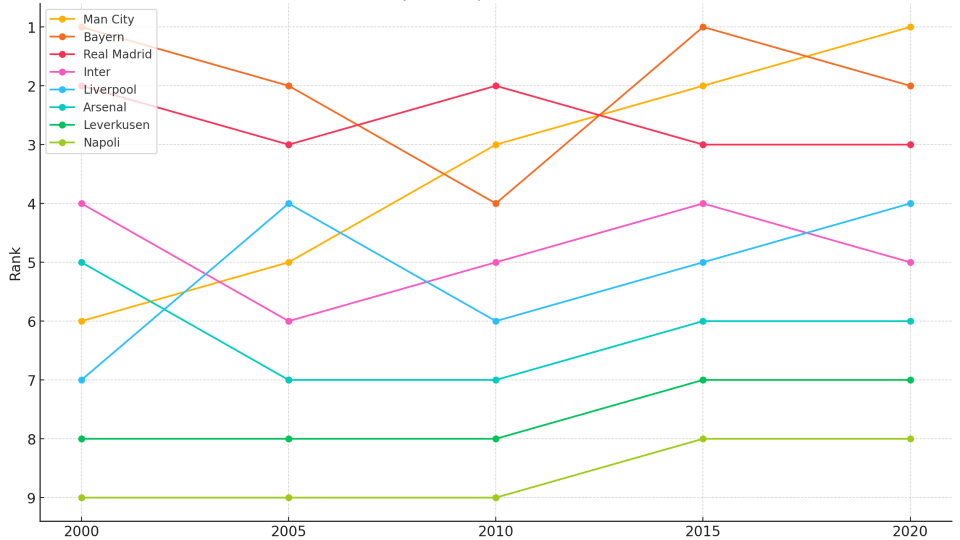
Discover the latest Opta predictions for the 2025 FIFA Club World Cup, including stage-by-stage probabilities and implied betting odds for all 32 teams. Identify potential value bets and tournament favorites.
In the world of sports betting, evaluating the performance and true skill of a bettor relies on several analytical methods. Some indicators, such as Return on Investment (ROI) or Closing Line Value (CLV), are often used to measure the accuracy of predictions. But is that enough? Other factors, such as intuition, empirical analysis, and risk management, also play a crucial role. This guide explores different ways to assess a bettor’s actual skill, relying on statistical data and concepts from the professional betting world.
Empirical evidence and intuitive data in betting: The most skilled bettors rely on a combination of empirical data and intuition to assess uncertainty and predict outcomes. Is handicapping the best skill in sports betting?: Handicapping is essential for many professional bettors to consistently overcome bookmakers' margins. Closing Line Value in sports betting: CLV is a key indicator to evaluate a bettor's performance, particularly in liquid markets. Managing risk in sports betting: Effectively managing your bankroll and applying tailored staking strategies, such as the Kelly formula, is vital for maximizing long-term gains.
In this article, we will explore key concepts that are essential for anyone looking to approach betting in a strategic and disciplined way. We will cover three fundamental areas: bankroll management in betting, understanding variance, and the different bankroll implications associated with various betting strategies. By delving into these aspects, readers will gain valuable insights into how to manage their funds effectively, navigate the ups and downs of variance, and make informed decisions to improve their long-term betting performance.
Are you a soccer fan looking to improve your chances of winning in the Over/Under betting market? Understanding the strategies used by bookmakers and applying a data-driven approach can give you a solid edge.
The Elo rating system, initially designed to evaluate the skill levels of chess players, has been adapted to various sports and is now widely used in football to compare team performance. By using this method, it is possible to identify value bets by calculating the probabilities of match outcomes.
In the world of sports betting, the search for winning strategies and effective evaluation methods is constant. Among the many indicators used by experienced bettors, the Closing Line Value (CLV) stands out for its ability to measure the quality of predictions.
In this article, we will explore how to identify value in soccer betting markets, focusing on one of the most crucial concepts: Expected Value (EV). We’ll also guide you through the steps to calculate this value, along with the essential statistics and metrics to uncover the best opportunities. Whether you are a novice or an experienced bettor, this introduction will equip you with the tools you need to improve your bets and maximize your profits.
In this article, we will analyze a real betting record, then see if beating the closing line can happen by chance, before concluding with a comparison of the closing line value with profits/losses.